MCX Commodity Trading Risks: What Every Trader Should Know
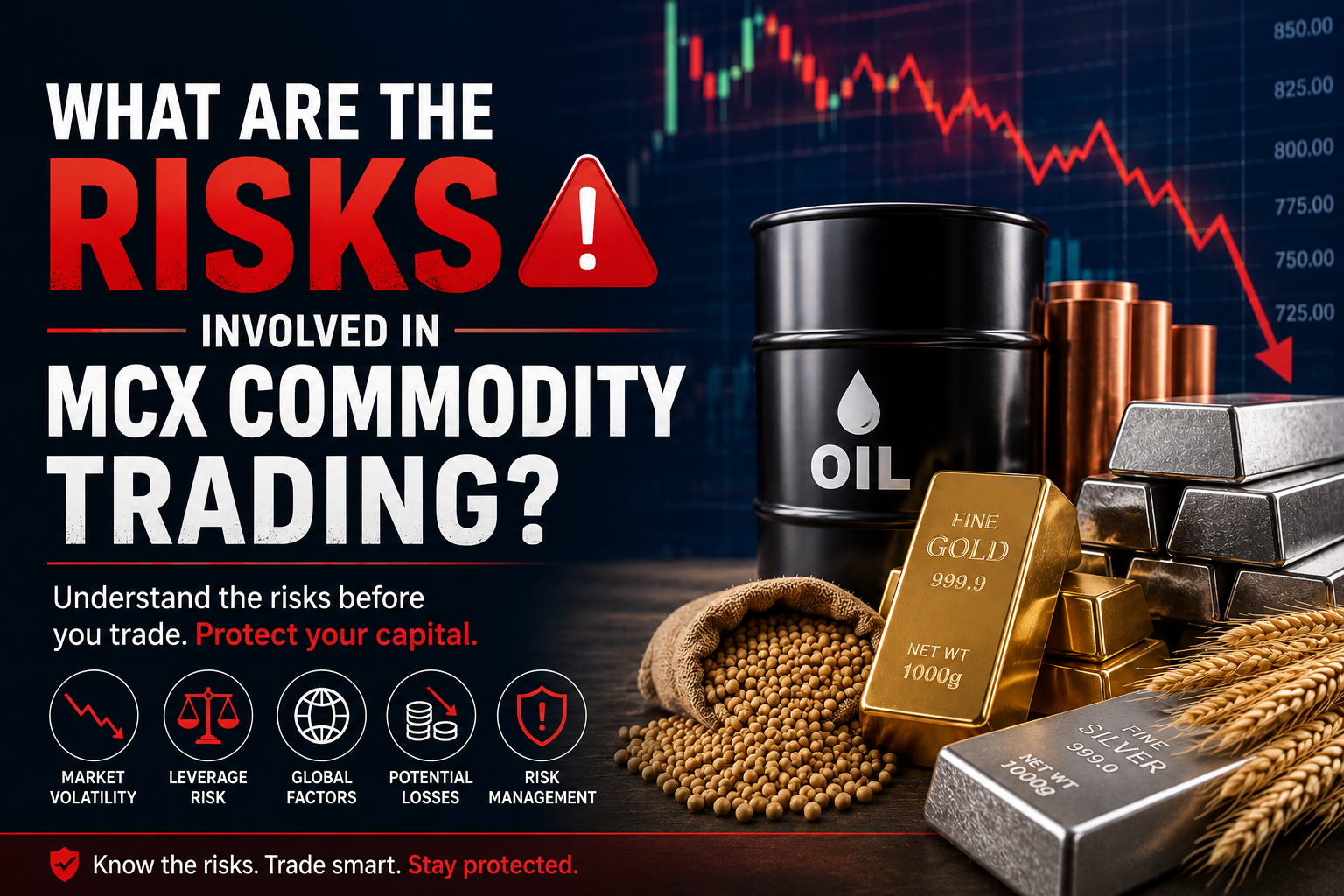
MCX commodity trading has become an interesting option for people who want to participate in markets beyond traditional stocks and mutual funds. Gold, silver, crude oil, natural gas and other commodities can offer opportunities, but they can also expose traders to significant losses when the market moves unexpectedly.
Before entering the commodity market, it is important to understand that returns are never guaranteed. Commodity prices can change quickly because of global events, currency movements, supply and demand, geopolitical developments and economic data.
For investors and traders considering an MCX Commodity Trading Advisory Service in Madhya Pradesh, understanding these risks is just as important as understanding potential opportunities. A responsible approach starts with knowing what can go wrong and having a clear plan for managing those risks.
Is MCX Commodity Trading Risky?
Yes, MCX trading can be risky, particularly when a trader uses high leverage or takes positions without proper risk management. The Multi Commodity Exchange (MCX) in India offers a wide range of commodities including precious metals, energy products, and agricultural commodities. While this diversification can be beneficial, it also means traders are exposed to multiple market risks.
What Are the Major Risks in Commodity Trading?
Market Volatility Can Cause Sudden Losses
One of the biggest risks in commodity trading is price volatility. Commodity prices can swing dramatically within a single trading session due to various factors including global supply disruptions, weather events, or sudden changes in demand. This volatility can result in significant losses if positions are not properly managed.
Leverage Can Magnify Both Profit and Loss
Leverage allows traders to control a larger position with a comparatively smaller amount of capital. While this can amplify gains, it can also magnify losses. In extreme cases, leveraged positions can result in losses exceeding the initial investment, especially in highly volatile markets.
Global Events Can Affect Commodity Prices
Commodities are closely connected to the global economy. Geopolitical tensions, natural disasters, changes in government policies, and global supply chain disruptions can all impact commodity prices. Traders need to monitor international developments that may affect their positions.
Incorrect Trading Decisions Can Lead to Losses
Not every trading decision will be correct. Market timing, entry points, and exit strategies all play crucial roles in determining profitability. Poor trading decisions can quickly erode capital, especially in volatile commodity markets.
Overtrading Can Increase Exposure
Another common problem is overtrading. Taking too many positions or trading too frequently can lead to increased transaction costs and exposure to market risks. It's important to have a disciplined approach to trading.
What Is a High-Risk Commodity?
There is no single commodity that can be labelled as the most risky under every market condition. However, certain commodities tend to be more volatile. Agricultural commodities can be highly sensitive to weather conditions, while energy commodities can be affected by geopolitical events. Precious metals like gold often serve as safe-haven assets but can still experience significant price movements.
How Can Traders Reduce Risk in MCX Trading?
Risk cannot be completely eliminated from commodity trading, but it can be effectively managed. Here are some key risk management strategies:
- Position Sizing: Never risk more than you can afford to lose on any single trade.
- Stop-Loss Orders: Set stop-loss levels to automatically close positions at predetermined loss limits.
- Diversification: Don't put all your capital into a single commodity or trade.
- Market Research: Stay informed about market conditions and potential risks.
- Trading Plan: Develop and stick to a well-defined trading strategy.
For people looking for professional market guidance, MCX Commodity Trading Advisory Service in Madhya Pradesh can provide structured research and market insights to help manage risks effectively.
Which Commodities Could Perform Well in 2026?
It is difficult to predict with certainty which commodity will "boom" in 2026. Market conditions are constantly changing, and external factors can significantly impact commodity prices. However, some commodities to watch include:
- Precious Metals: Gold and silver often perform well during periods of economic uncertainty.
- Energy Commodities: Crude oil and natural gas prices can fluctuate based on global supply-demand dynamics.
- Agricultural Commodities: Food prices can be influenced by weather patterns and global supply chains.
Why Risk Management Matters in MCX Trading
Successful trading is not simply about identifying when a commodity might rise or fall. It's about managing the inevitable losses that come with any trading strategy. Proper risk management ensures that a few losing trades don't wipe out months of gains.
Professional advisors emphasize risk management because preserving capital is just as important as generating returns. A trader with a solid risk management approach can stay in the market longer and benefit from compounding returns over time.
Choosing an MCX Trading Advisory Service
Eternal Research focuses on providing market-related research and advisory insights to help traders make informed decisions. When selecting an advisory service, consider factors such as:
- Track record of performance
- Transparency in recommendations
- Clear risk management approach
- Responsive communication
- Regulatory compliance
Final Thoughts
MCX commodity trading can provide opportunities, but it should not be treated as an easy or guaranteed way to make money. Understanding the risks involved and having a solid plan for managing those risks is essential for anyone considering commodity trading.
Whether you're a beginner or an experienced trader, always prioritize capital preservation over chasing returns. The most successful traders are those who understand that managing risk is more important than trying to time the market perfectly.
Frequently Asked Questions
Is MCX trading risky?
Yes. MCX trading involves market risk, and prices can change rapidly due to various factors including global events, supply-demand imbalances, and market sentiment.
What are the risks in commodity trading?
The major risks include market volatility, leverage, global events affecting prices, incorrect trading decisions, and overtrading.
What is a high-risk commodity?
The risk level of a commodity can change depending on market conditions. Generally, commodities with high volatility and sensitivity to external factors are considered higher risk.
Which commodities will boom in 2026?
No commodity can be guaranteed to "boom" in 2026. Market conditions are unpredictable, and past performance does not guarantee future results.
How can I reduce the risk of losing money in MCX trading?
Risk can be managed through appropriate position sizing, stop-loss orders, diversification, continuous market research, and following a disciplined trading plan.